Important Highlights About Giovanni Hashimoto
Guide to Getting a Bachelors Abroad
Navigating the path to securing a undergraduate degree in a foreign country demands careful consideration of numerous aspects. Applicants need to consider institutions and nations based on academic standards, financial aid opportunities, and cultural fit. Being aware of visa prerequisites is vital for a successful adjustment. Still, the adventure encompasses much more than planning. Acclimating to new settings and preserving ties to one's homeland are fundamental in defining the overall journey. What hurdles and prospects are in store for those pursuing this route?
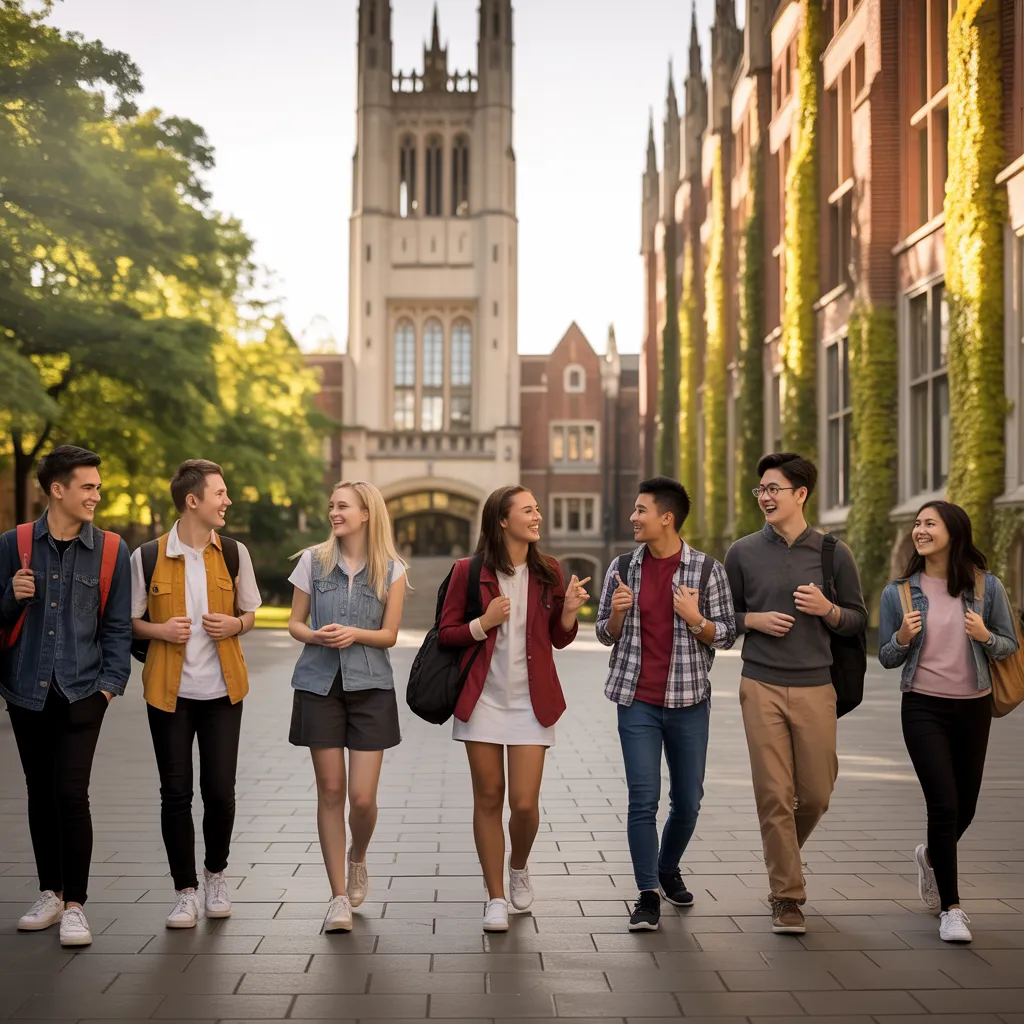
What Important Factors Should You Think About When Picking a Country?
When selecting a nation for a undergraduate degree abroad, what essential considerations should guide the decision? To begin, the standard of education is the highest priority; prospective students should research university rankings, instructor expertise, and the program's applicability to their field of study. Furthermore, language plays an important role; students must evaluate whether they are confident enough to study in the local language or if English-taught programs exist.
Cultural alignment is another crucial element; understanding the society, customs, and lifestyle can greatly influence the overall experience. Additionally, safety and political stability are essential considerations; students should explore the country's reputation for safety and the current political climate. In addition, distance from home and travel possibilities can impact individual preferences and overall contentment. By weighing these factors carefully, students can make informed decisions that align with their academic and personal aspirations.
How to Secure Funding and Scholarships for Study Abroad
Acquiring funding and scholarships is vital for students considering a bachelor's degree abroad. Various types of scholarships exist, addressing diverse requirements and eligibility criteria, and knowing these opportunities can significantly improve financial access. Moreover, employing proven application techniques can enhance the probability of success in the highly competitive scholarship environment.
Kinds Of Scholarships Available
When seeking a baccalaureate degree abroad can be a transformative experience, being aware of the various scholarships offered is vital for controlling financial obligations. A wide range of scholarships address diverse needs and situations. Scholarships based on merit recognize outstanding academic performance, while financially focused scholarships support students facing economic difficulties. Some institutions offer specific scholarships for international students to encourage diversity. Moreover, government-funded scholarships, such as Fulbright or Chevening, provide considerable support for study abroad. Non-governmental organizations and foundations additionally provide scholarships targeting particular disciplines or geographic areas. In addition, some countries offer scholarships to attract foreign talent, making higher education more accessible. Investigating these opportunities can significantly reduce the financial strain of international education.
Helpful Tips For Application Success
Mastering the scholarship application process can considerably boost a student's likelihood of obtaining funding for international study. To strengthen their candidacy, students should commence by investigating various scholarships that align with their scholarly ambitions and personal histories. Crafting a compelling personal statement is essential; it should precisely express objectives and dreams. In addition, obtaining strong letters of recommendation from instructors or academic supervisors can provide valuable support. Students must also carefully observe application timelines and criteria, ensuring that all materials are submitted promptly. Moreover, showcasing relevant experiences, such as community service or work placements, can distinguish a candidate. Finally, keeping a systematic method allows for diligent monitoring of submissions and responses, thereby improving the likelihood of securing funding.
Understanding Visa Requirements for Your Chosen Country
Understanding visa criteria is crucial for students preparing to study in a foreign country. Different countries have various types of student visas, each with specific criteria and application processes. Maneuvering through these requirements can greatly impact a student's capacity to engage in international academic pursuits.
Kinds Of Student Visas
Steering through the world of student visas is vital for anyone considering a college education abroad. Various nations provide different categories of student visas, each with distinct requirements and privileges. For illustration, the F-1 visa in the United States permits students to engage in full-time studies, while the Tier 4 visa in the United Kingdom functions in much the same way. Certain nations, like Canada and Australia, provide specific visas that permit students to work part-time during their studies. Additionally, some countries may impose particular conditions based on how long the course runs or the accreditation status of the institution. Grasping these distinctions is fundamental for students planning to study abroad to guarantee compliance and select the right visa for their academic pursuits.
Application Process Summary
Maneuvering through the application process for a student visa demands careful attention to the specific requirements of the chosen country. Every country has distinct regulations, documentation, and timelines that must be adhered to. Typically, applicants need to gather essential documents such as proof of admission, financial statements, and health insurance. Additionally, some countries may require a language proficiency test or a medical examination.
It is important for prospective students to start the application process early, as visa processing times can fluctuate considerably. Familiarizing oneself with the embassy or consulate's guidelines is also critical, as they provide detailed instructions and any updates on requirements. In the end, careful and thorough preparation ensures a more seamless transition to studying abroad.
How to Find a University That Fits Your Aspirations?
What is the best way to select a university that matches one's academic and professional goals? Initially, students ought to determine their precise ambitions, encompassing their chosen areas of study and future career plans. Investigating institutions that offer robust programs in the relevant disciplines is essential. They can utilize online resources, academic rankings, and alumni networks to assess the quality of education offered.
Next, factors such as available extracurricular activities, location, and campus culture deserve careful consideration. A positive atmosphere can considerably enrich the general student experience. In addition, potential enrollees should evaluate the college's relationships with field-specific industries, as professional networking and internship prospects can play a pivotal role in career development.
In conclusion, factoring in financial implications, including education costs and daily expenses, is crucial. By evaluating these aspects, applicants can make informed decisions that align with their aspirations, ensuring a fulfilling and successful academic journey abroad.
Embracing Cultural Diversity in Your New Environment
While adjusting to a new culture can be difficult, accepting the distinctions can lead to enriching encounters. Students living overseas often encounter unfamiliar practices, dialects, and social norms that may appear intimidating in the beginning. To navigate these cultural shifts, it is important to tackle unfamiliar situations with an unbiased perspective and a willingness to learn. Building relationships with locals, participating in cultural events, and seeking friendships with locals can develop stronger insight and gratitude of the adopted culture.
Additionally, keeping a balance between protecting one's own cultural identity and adapting to the new environment is vital. Open communication and curiosity can help narrow cultural divides and reduce feelings of isolation. As individuals accept the unfamiliar, they often build resilience and adaptability, attributes that are immensely valuable both for personal growth and professional advancement. When all is considered, these transformative experiences can expand one's worldview and enhance academic growth, making the experience of studying in a foreign country profoundly transformative.
What Should You Expect While Studying Abroad?
Studying abroad brings a unique combination of excitement and uncertainty, as learners commonly end up in unfamiliar educational and cultural environments. Students might experience different instructional approaches, which may include everything from cooperative team projects to self-directed studies. Students should be prepared for varying expectations regarding engagement and submission timelines.
From a social standpoint, the experience can be equally transformative. Fresh friendships can emerge, but navigating varied cultural expectations and ways of communicating can present discover more challenges. Initially, students could feel disconnected or longing for home, but these feelings often diminish as they settle into their adopted communities.
Furthermore, dealing with daily life, for instance getting accustomed to public transportation and local customs, can be intimidating yet enriching. Students should expect to develop critical thinking abilities and adaptability as they adapt to these changes. When all is said and done, this adventure promotes personal growth and a broader worldview, ensuring that the hardships prove valuable.
How to Stay Connected With Home During Your Studies
Keeping in contact with loved ones during foreign studies is vital for emotional stability and encouragement. Learners can leverage modern technology to close the gap, employing video calls, messaging apps, and social media platforms to exchange experiences and keep family and friends informed. Setting up consistent check-in meetings can establish a reassuring schedule, allowing for smoother adjustment to the demands of studying in a foreign location.
Furthermore, students may want to joining local expat groups or organizations, which can provide a network of support and shared experiences. Forwarding postcards or thoughtful care packages can also reinforce connections and establish a meaningful tie to home. Participating in cultural activities that evoke memories of home, such as preparing traditional meals or observing holidays, promotes a sense of community. By consistently nurturing these connections, students can enhance their overall study abroad experience, helping them feel supported and less disconnected during their educational journey.
Questions We Often Receive
What Are the Top Countries for International Students?
Several countries are renowned for welcoming international students, including the United States, Canada, the United Kingdom, Australia, and Germany. Such destinations present varied academic programs, unique cultural encounters, and valuable opportunities for both personal and scholarly advancement.
How Can I Find Student Housing Abroad?
To discover overseas student housing, prospective tenants should look into campus housing opportunities, online rental platforms, and neighborhood housing advertisements. Building connections with classmates and requesting advice can additionally offer valuable insights into fitting accommodation choices.
Can I Be Employed While Studying in a Foreign Country?
Absolutely, most international students are allowed to work while pursuing their studies overseas, depending on the applicable visa requirements. Part-time jobs may provide useful real-world experience and support general living costs, but balancing study and work responsibilities is essential for maintaining strong academic performance.
What Health Insurance Do I Need for Studying Abroad?
Students studying abroad generally need comprehensive health coverage that covers medical emergencies, hospitalization, and repatriation. It is essential to check the host country's requirements and confirm the plan covers coverage for pre-existing conditions and routine care.
How Can I Enhance My Language Abilities Before Departing?
To develop linguistic proficiency before going abroad, one should engage in daily practice through language exchange programs, apps, online courses, and hands-on experiences with native speakers. Exploring books and watching movies in the target language additionally offers tremendous value.